⚛️ Atomic Structure
NEB / CEE Chemistry Study Material
📘 Introduction
Atomic Structure is a fundamental topic in chemistry that explains the composition of atoms, subatomic particles, and their arrangement. It forms the basis for understanding chemical behavior, bonding, and reactions.
This chapter explains how atoms are built using electrons, protons, and neutrons, along with different models proposed by scientists to describe atomic structure.
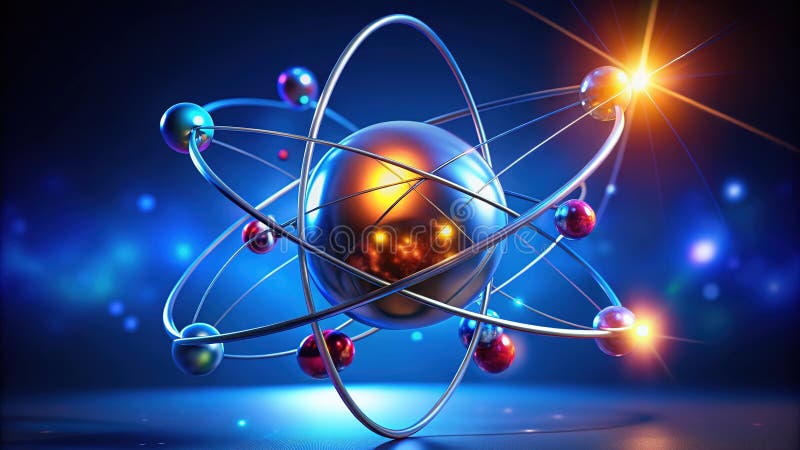
⚛️ Subatomic Particles
- Electron (e⁻): Negatively charged, discovered by J.J. Thomson
- Proton (p⁺): Positively charged, discovered by Rutherford
- Neutron (n⁰): No charge, discovered by James Chadwick
🔬 Atomic Models
- Thomson Model: “Plum pudding model” – electrons embedded in positive sphere
- Rutherford Model: Small dense nucleus with electrons revolving around it
- Bohr Model: Electrons move in fixed energy levels (shells)
⚡ Bohr’s Energy Levels
- K shell (n=1)
- L shell (n=2)
- M shell (n=3)
- N shell (n=4)
Electrons absorb energy to jump to higher levels and emit energy when they return.
📊 Important Concepts
- Atomic number (Z) = number of protons
- Mass number (A) = protons + neutrons
- Isotopes = same Z, different A
- Isobars = different Z, same A
💡 Key Idea
Atomic structure explains how electrons are arranged in atoms, which directly determines chemical properties, bonding behavior, and periodic trends.
⚛️ Atomic Structure
NEB / CEE Chemistry • Full Syllabus MCQ